High Levels of Nickel Identified on The Lizard Peninsular
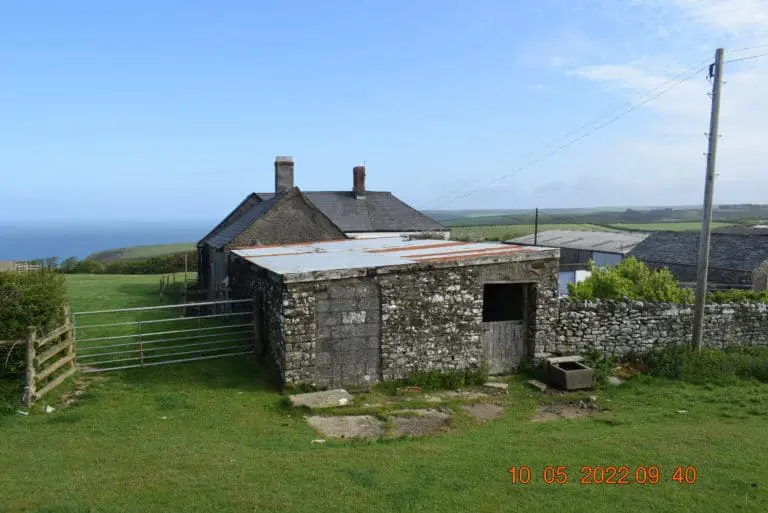
Ground Consultants Limited recently completed a comprehensive Phase 2 Ground Investigation on behalf of Natural England and the Environment Agency for a proposed new visitor centre on the Lizard Peninsula, near Mullion.
The objective of the investigation was to determine the geotechnical and environmental parameters of the site with a view to determining the sites suitability for the proposed end use. A Phase 1 Desk Study was completed by Mott Macdonald Group, which formed the basis of our approach.
Our investigation was completed over a number of phases, and included the following;
- Twelve (12 No.) Mechanically Excavated Trial pits
- Three (3 No.) Soakaway Tests Completed in-line with BRE 365
- Two (2 No.) Percolation Tests completed in-line with BS 6297
- Five (5 No.) Dynamic Cone Penetrometer Tests (DCPs)
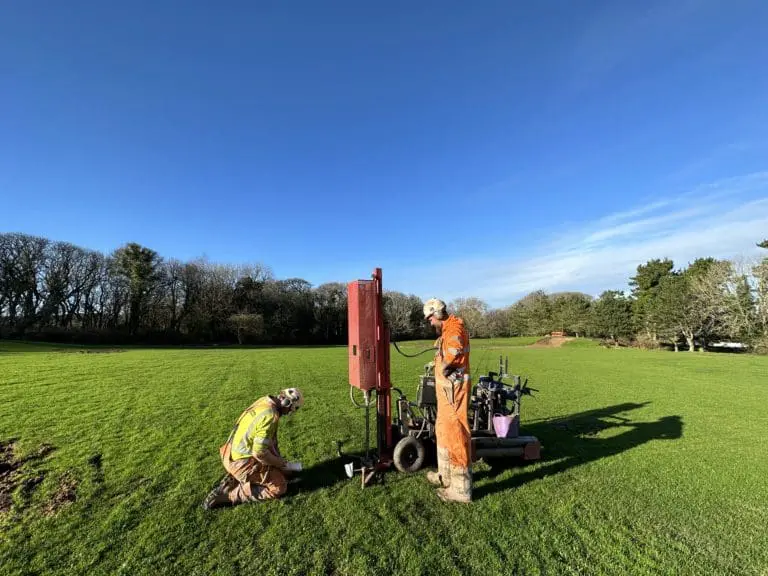
- Five (5 No.) Dynamic Sample Boreholes
- Two (2 No.) Groundwater and Ground Gas Monitoring Installations
- Three (3 No.) Monitoring Return Visits
- Chemical Laboratory Testing
- Geotechnical Laboratory Testing
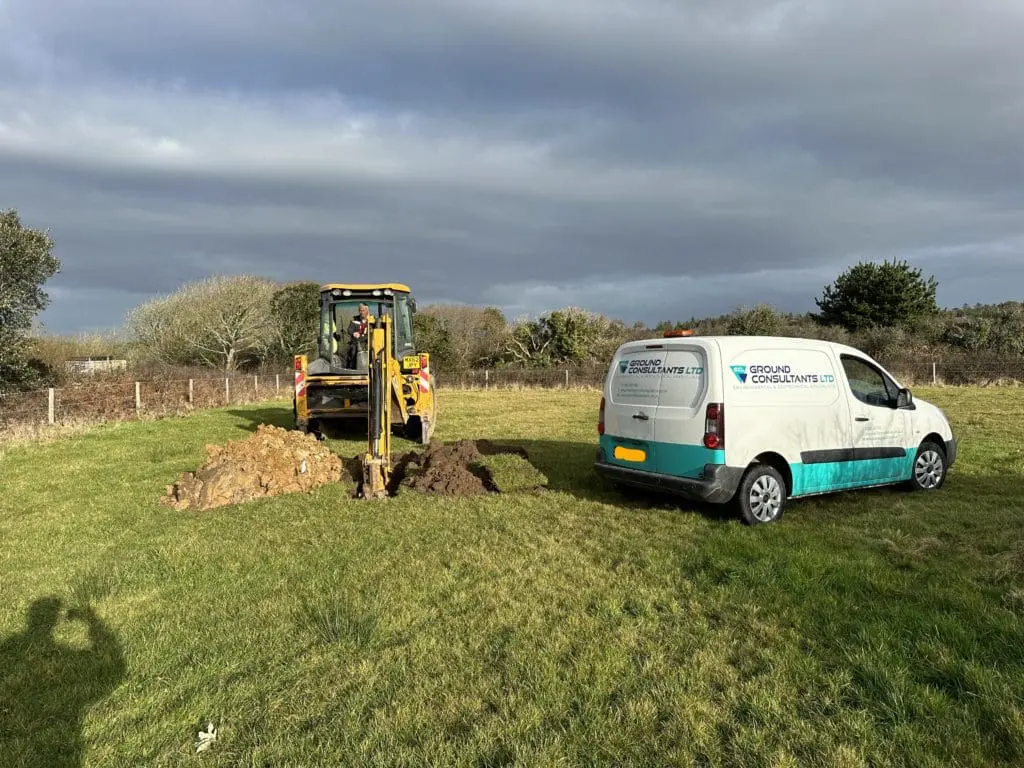
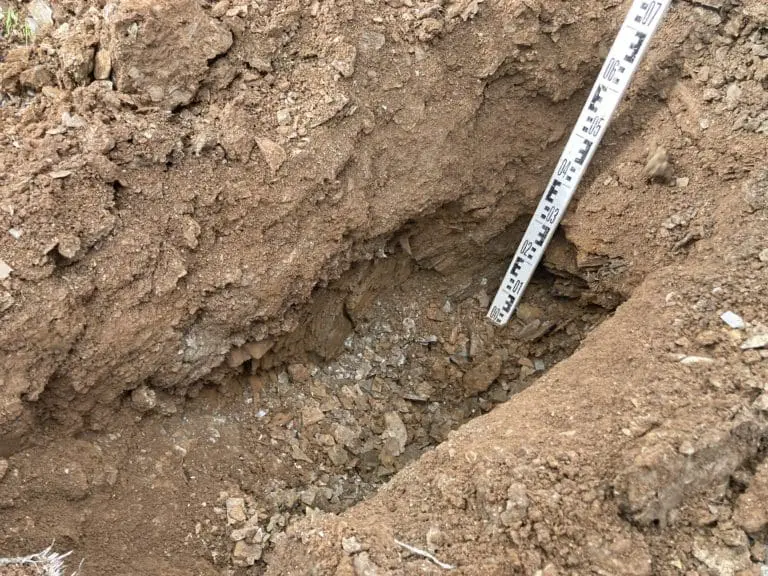
Variable ground conditions were encountered, involving highly weathered Peridotite perforated by several Ultramafic Igneous intrusions. A complex ground model was developed by Ground Consultants Limited, enabling the design of a bespoke foundation solution. Recommendations were also made regarding CBR%, drainage potential, floor slab design and earthworks specifications.
The real challenge for the team was the high levels of Nickel encountered on site. Chemical laboratory testing identified elevated levels of Nickel within natural stratum, in exceedance of relevant Generic Assessment Criteria (GAC). Accordingly, GCL undertook a Tier 3 Detailed Quantitative Risk Assessment, underpinned by depth profiled sampling of Nickel and Iron, as well as bioaccessibility testing using the Unified BARGE method. The testing and analysis demonstrated that concentrations of Nickel increase with depth, and that soil in the topmost 0.60m is generally low risk to future site users. Mitigation measures were recommended.
The complex geology and widespread mineralisation noted on site can be attributed to the unique geological history of the Lizard Peninsula, which resulted from the thrusting of oceanic rock up onto continental rock. This phenomenon, known as an ophiolite, is rare with only a handful of locations in the world.