Ground Investigation at a Historic Site in St Ives, Cornwall
Phase 1: Desk Study & Initial Assessments
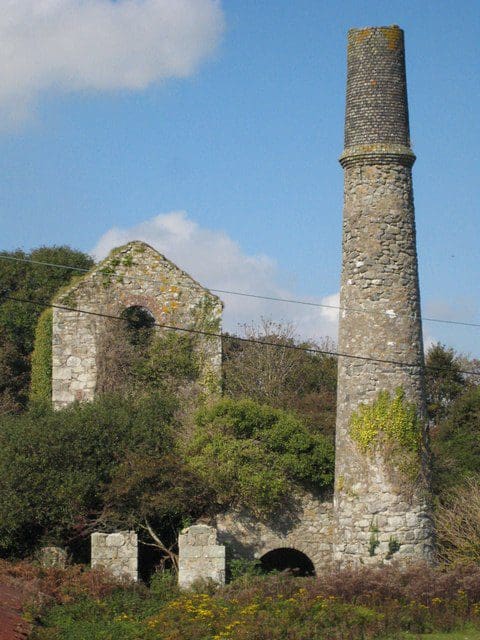
Our work began with a Phase 1 Desk Study, where we analysed historical records, previous site investigations, and geological mapping to identify potential subsurface risks. The study flagged concerns regarding historical mining activity and the possibility of unknown underground features, necessitating further detailed investigation.
Phase 2: Site Investigation & Ground Modelling
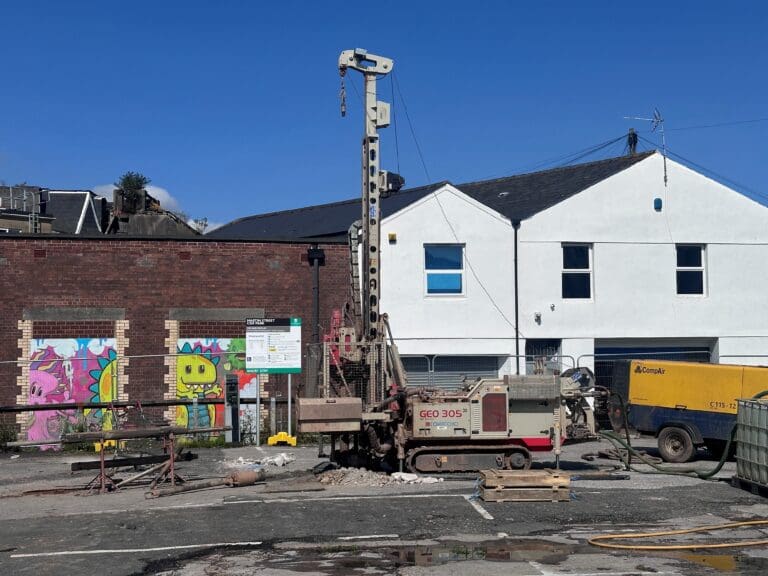
Following the desk study, we carried out a Phase 2 Site Investigation and Generic Quantitative Risk Assessment (GQRA) to assess ground stability, contamination risks, and structural implications. Our methodology included:
✔ Ground Penetrating Radar (GPR) – Used to detect anomalies beneath the surface before intrusive investigations.
✔ Dynamic Sampling – To extract soil samples for geotechnical and environmental analysis, as well as conduct Standard Penetration Tests (SPTs) to facilitate foundation desigin
✔ Dynamic Cone Penetrometer Tests (DCPs) – To measure in-situ soil strength and compaction levels.
✔ Dynamic Probing – To map ground resistance and identify weak zones within the subsurface.
✔ Laboratory Testing – To evaluate soil characteristics for contamination risks and engineering properties.
Unveiling a Hidden Structure: A Subsurface Mystery
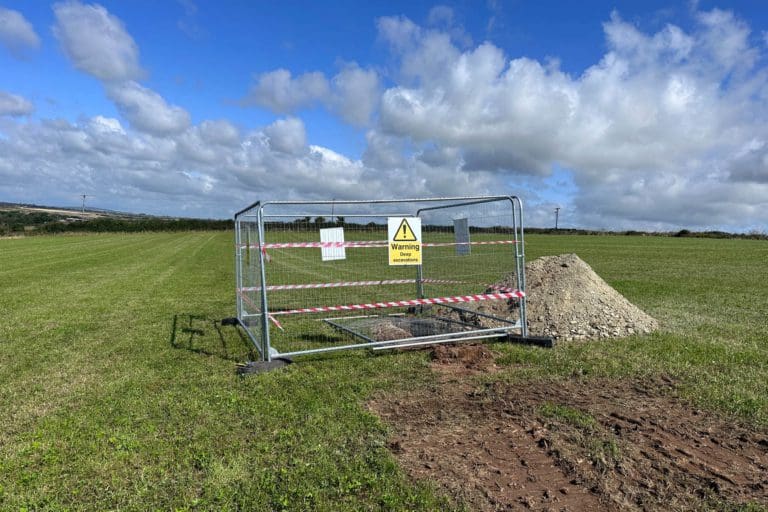
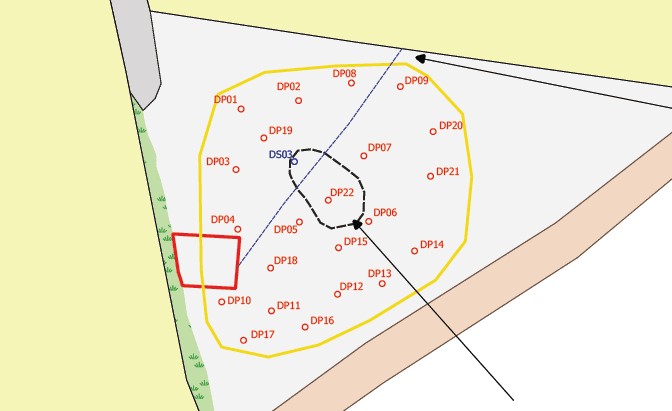
One of the most intriguing discoveries came during our investigation of the external courtyard, where we encountered an unknown subsurface feature. Our initial tests identified a soft material infill, suggesting a potential historic well, infilled mine shaft, or other anthropogenic feature that had not been recorded on historical maps.
To accurately delineate and model the structure, we deployed a systematic grid-based dynamic probing approach. This provided a high-resolution understanding of the feature’s extent and composition, ensuring that future development plans mitigate any associated risks.
Next Steps & Impact
Our findings will play a crucial role in shaping the site’s redevelopment, informing foundation design and ensuring that the site’s historical significance is preserved while meeting modern engineering and environmental standards.
By employing advanced geotechnical, environmental, and geophysical techniques, we continue to provide tailored solutions for complex ground conditions.
If you require expert ground investigation, mining risk assessments, or geotechnical surveys, our team at Ground Consultants is ready to assist. Contact us today to discuss how we can support your project!