Understanding the Risks and Rewards of Urban Development: A Plymouth Desk Study Case
When considering urban development, a comprehensive assessment of both geotechnical and contamination risks is crucial for safe and sustainable construction. This brings us to the concept of a “Desk Study,” an initial evaluation phase that is indispensable for any project, especially in historical urban centers like Plymouth.
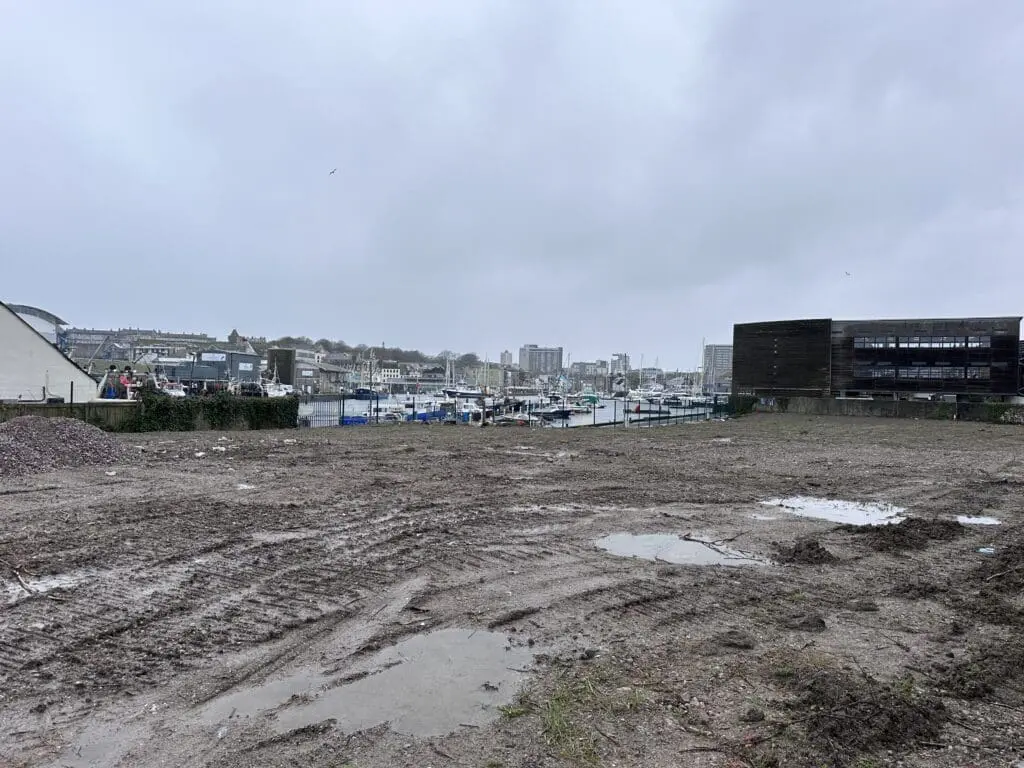
A recent Desk Study focused on a development site off Sutton Road, Coxside, Plymouth, provides an excellent example of how these studies inform and shape urban planning. The site, with its rich historical tapestry dating back to the 1600s, has transitioned from royal navy victualling to a prison, and more recently to a produce market. Each era has left its imprint, potentially including contaminants like metals, hydrocarbons, and asbestos in the made ground.
This study delved into various historical data, maps, and past environmental reports to assess potential risks associated with the site. Notably, it considered the site’s proximity to sensitive areas like Sutton Harbour, addressing the potential movement of contaminants and the impact of past industrial activities.
Geotechnically, the Desk Study reviewed the site’s underlying structure, characterised by the Saltash Formation of Devonian slate and siltstone. This formation suggests that while the site is stable, specific considerations, such as the presence of limestone bands, need careful evaluation to avoid geotechnical issues like ground instability.
Interestingly, the study also highlighted the importance of considering modern construction methods and materials. For developments in Plymouth, particularly in areas with historical industrial use, a Phase 2/Geotechnical Site Investigation is recommended. This next step is crucial to more accurately determine the presence of contaminants and to design appropriate foundation solutions that respect both the historical legacy and modern safety standards.
For anyone involved in urban development, this Desk Study exemplifies the careful balance between heritage and modernity. It serves as a reminder of the importance of detailed preparatory work, ensuring that the land’s past does not detrimentally affect its future.
In summary, Desk Studies are more than just bureaucratic steps; they are a cornerstone of responsible urban development. By understanding and mitigating risks early, developers can avoid costly or harmful surprises, ensuring that new constructions are safe, compliant, and harmonious with their historical and environmental contexts. This case from Plymouth is a textbook example of how to approach urban redevelopment with both caution and enthusiasm for the possibilities it presents.