Ground Investigation, Bugle
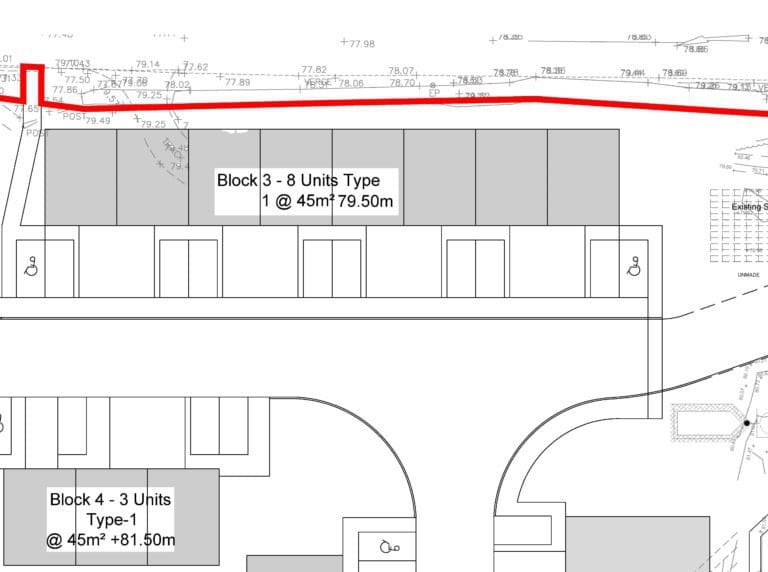
The team recently completed a combined environmental and geotechnical ground investigation at a proposed residential development in Bugle.
The Phase 1 Desk Study (completed by a third party) identified risks from former commercial usage on site, as well as a potential backfilled pond.
Our intrusive investigation involved six windowless sample boreholes, four dynamic probes, 10 trial pits and a number of dynamic cone penetrometer tests.

The investigation found that the site is underlain by up to eight meters of loose “Made Ground,” (soil re-worked with man-made components such as brick) with a high groundwater table. Furthermore, frequent partially decomposed organic matter was found, hinting at a possible ground gas risk.
A comprehensive suite of laboratory testing was undertaken, including “Fraction of Organic Carbon” to determine ground gas risk. Thankfully, this specialist laboratory testing resulted in a low risk classification for ground gas, negating the need for costly long-term ground gas monitoring.
The significant thickness of Made Ground also presented a geotechnical challenge. The material was found to have a very low bearing capacity, meaning that conventional shallow spread foundations were not viable. GCL provided detailed recommendations for either a piled foundation solution, or using vibro stone columns.
Overall our team were able to use their expertise and experience to provide solutions for a very complex and challenging site.